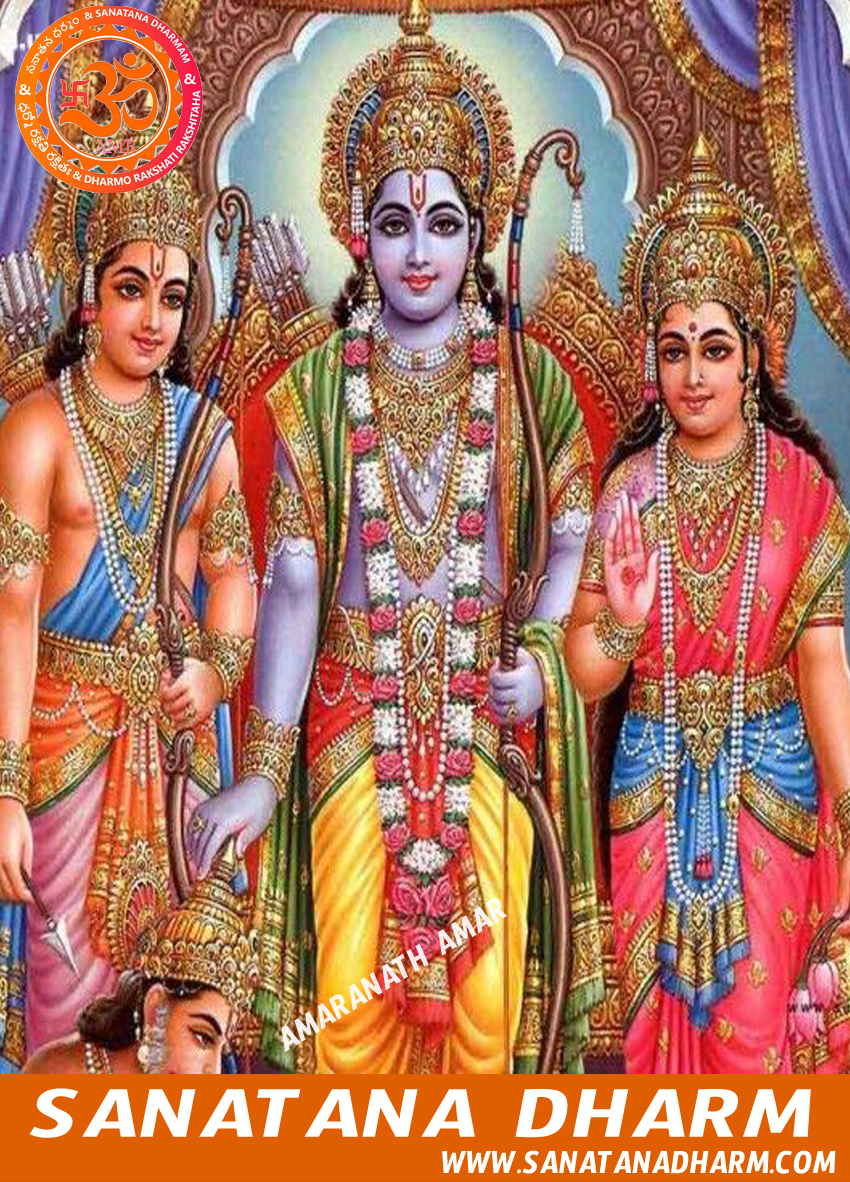
Then, Rama along with Sugreeva, together with the troop leaders of monkeys, ascended the top of Suvela mountain which was having a circumference of sixteen miles.
तब सुग्रीव, वानर सेना के साथ, दो योजन के विस्तार वाले सुवेला पर्वत के शिखर पर चढ़ गए।
Halting there just for a while and surveying the ten cardinal points, Rama saw the city of Lanka, which was beautifully constructed by Visvakarma, the divine architect on the top of Trikuta Mountain with nice arrangements and ravishing with enchanting groves.
हनुमान जी एक क्षण वहीं खड़े होकर चारों दिशाओं को देखते रहे। उन्होंने विश्वकर्मा द्वारा निर्मित, सुंदर वृक्षों से सुशोभित, सुनसान लंका को देखा।
There above a gateway, stood the invincible Ravana the lord of demons, who was being fanned with white whisks on both sides, was graced with a triumphal parasol, was smeared with red sandal paste, adorned with scarlet ornaments, attired in raiment embroidered in gold, resembling a dark cloud, who bore on his breast scars of wounds inflicted on him by Airavata (the elephant who carries Indra the Lord of celestials, on his back) with his tusks, wrapped in a cloak of red colour resembling the colour of hare's blood and looked like a mass of clouds in the sky enveloped with sunshine at sunset.
यह श्लोक रावण का वर्णन करता है, जो एक विशाल पर्वत पर स्थित है। वह श्वेत चंवरों से घिरा है, विजय के छत्र से सुशोभित है, और लाल चंदन तथा रक्त आभूषणों से अलंकृत है। उसका शरीर काले मेघों जैसा है, वस्त्र सोने से जड़े हैं, और छाती ऐरावत हाथी के दाँत के अग्रभाग से बने किणव से ढकी है। वह संध्या के सूर्य की लालिमा से युक्त लाल वस्त्रों से सुशोभित है, मानो आकाश में मेघों का समूह हो।
On seeing Ravana, Sugreeva got up all at once, while Rama and the chiefs of the army of monkeys were looking on.
वानरराजों को और स्वयं राम को भी देखते हुए, रावण को देखते ही सुग्रीव अचानक खड़े हो गए।
Yuddha Kanda – Sarga 40 · v5
क्रोधवेगेन सं युक्तः सत्त्वेन च बलेन च |
अचलाग्रादथोत्थाय पुप्लुवे गोपुरस्थले || ६-४०-८
Gathering up his strength and courage, Sugreeva, in an impulse of fury, bounded from the summit of the mountain and then sprang to the top of the gate (where Ravana was).
क्रोध से भरकर, बल और शक्ति से युक्त होकर, वह पर्वत की चोटी से उठकर गोपुर के मैदान में कूद पड़ा।
Yuddha Kanda – Sarga 40 · v6
स्थित्वा मुहूर्तं सम्प्रेक्ष्य निर्भयेनान्तरात्मना |
तृणीकृत्य च तद्रक्षः सोऽब्रवीत्परुषं वचः || ६-४०-९
For a moment, he paused and then with a fearless soul, he saw that demon, whom he regarded as a mere straw and thereafter spoke the following words harshly:
एक क्षण रुककर, निर्भय मन से देखकर, उस राक्षस को तिनके के समान तुच्छ समझकर, उसने कठोर वचन कहे।
"O, demon! I am a friend and a servant of Rama, the Lord of the world. You will not be spared by me today, by the inspiring grace of Rama."
मैं लोकनाथ श्री राम का दास और मित्र हूँ, हे राक्षस! राजाओं के राजा श्री राम के तेज से तुम अब नहीं बच पाओगे।
Thus speaking, Sugreeva jumped up all at once, bounced over on ravana, pulled his brightly coloured crown from his head and threw it away on the ground.
यह कहकर वह सहसा उछलकर उसके ऊपर कूद पड़ा। उसने सुंदर मुकुट खींचकर धरती पर गिरा दिया।
Yuddha Kanda – Sarga 40 · v9
समीक्स्य तूर्णमायान्तं बभाषे तं निशाचरः |
सुग्रीवस्त्वं परोक्षे मे हीनग्रीवो भविष्यसि || ६-४०-१२
Seeing Sugreeva about to rush upon him again, Ravana spoke as follows: "You were Sugreeva (one who has a handsome neck), when your were not present before my eyes. But now, you will now become Hinagriva bereft of your neck."
निशाचर (रावण) ने देखकर कि वह शीघ्रता से आ रहा है, सुग्रीव से कहा, "तू मेरी पीठ पीछे है, इसलिए तू गर्दन कटा हुआ हो जाएगा।"
Speaking thus, Ravana raised up and quickly flung Sugreeva to the ground with both his arms. Bouncing like a ball, Sugreeva flung back his adversary with his arms.
यह कहकर, श्री कृष्ण ने उसे तुरंत अपनी भुजाओं से पकड़ लिया और गेंद की तरह ऊपर उठाया।
Ravana and Sugreeva of great strength carried on a duel which was unbearable, with perspiration broke out on their limbs, with their bodies red with blood, each clung to other other paralyzing his opponent's movements resembling silk-cotton and Kimshuka trees, followed by blows of fists, slaps of hands blows of elbows and blows of fingers on each other.
दोनों योद्धाओं के शरीर पसीने से लथपथ थे और रक्त से लाल हो गए थे। वे एक-दूसरे से लिपटकर, हिलने-डुलने में असमर्थ होकर, जैसे शाल्मली और किंशुक के वृक्ष आपस में उलझ जाते हैं, वैसे ही युद्ध कर रहे थे। दोनों महाबली राक्षस और वानरराज मुक्कों, थप्पड़ों, कोहनी और उंगलियों के प्रहारों से असहनीय युद्ध कर रहे थे।
Having wrestled for a long time in the center of the flat floor of the gate way, each in turn repeatedly lifting their bodies and bending their feet in a particular way, the two highly swift combatants remained in that flat roof of the gate way.
यहाँ संस्कृत श्लोक का सरल हिंदी अनुवाद दिया गया है: दोनों योद्धा अत्यंत उग्र वेग से, गोपुर के चबूतरे के बीच में, देर तक कुश्ती लड़ते रहे। वे बार-बार अपने शरीर को ऊपर उठाते और झुकाते हुए, पैरों के तालमेल से गोपुर के चबूतरे से लगे रहे।
Crushing one another and their bodies clung together, they both dropped down between the defensive walls and the moat. They would leap up again, seizing each other from the ground, after pausing an instant to regain their breath.
एक दूसरे को दबाते हुए और शरीर से चिपके हुए, वे खाई में गिर पड़े। थोड़ी देर रुककर और गहरी साँसें लेते हुए, वे भूमि को छूते हुए फिर से उड़ गए।
With arms interlaced like with ropes joined together, they remained locked together in the struggle. Both of them, who had received training in wrestling and fully endowed with night, were now moving to and fro in the arena.
बाँहों से जकड़कर और कसकर पकड़कर, वे दोनों युद्ध में एक दूसरे से भिड़ गए। युद्ध की शिक्षा और बल से युक्त होकर, वे युद्ध के मार्ग पर बहुत देर तक लड़े।
The two heroes, who resembled a tiger and a a lion having their tusks growing or two young lordly elephants encountening in a hostile manner, with arms interlaced and having duly tried their strength, fell on the ground together.
यह श्लोक दो शक्तिशाली योद्धाओं के युद्ध का वर्णन करता है। वे बाघ और सिंह की तरह आपस में भिड़ गए, और हाथियों के बच्चों की तरह एक-दूसरे से टकराए। दोनों ने मिलकर अपने हाथों से प्रहार किया और एक साथ धरती पर गिर पड़े।
Thereafter rising, those two heroes hurled themselves on each other, circling around the arena again and again, like skilled and mighty wrestlers, nor were they easily fatigued.
वे दोनों वीर योद्धा, एक दूसरे पर आक्षेप करते हुए, युद्ध के मार्ग पर आगे बढ़े। वे युद्ध के अभ्यास और बल से युक्त थे, इसलिए वे शीघ्र ही थके नहीं।
Like unto great tuskers with their enormous arms resembling the trunks, those two warriors were keeping back each other, fought vehemently for a long time and moved speedily in a circular arena.
यहाँ संस्कृत श्लोक का सरल हिंदी अनुवाद दिया गया है: हाथियों के समान शक्तिशाली योद्धा, एक दूसरे को रोकते हुए, बहुत समय तक भयंकर युद्ध करने के बाद, शीघ्रता से एक घेरे में घूमने लगे।
Approaching each other like tow wild cats fighting over a piece of meat trying to kill each other, they stood growling again and again.
वे दोनों एक दूसरे से मिलकर, जैसे बिल्ली चूहे को मारने के लिए बार-बार झपटती है, वैसे ही एक दूसरे को मारने के लिए उद्यत हो गए।
Yuddha Kanda – Sarga 40 · v19
मण्डलानि विचित्राणि स्थानानि विविधानि च |
गोमूत्रकाणि चित्राणि गतप्रत्यागतानि च || ६-४०-२३
तीर्शीनगतान्येव तथा वक्रगतानि च |
परिमोक्षं प्रहाराणां वर्जनं परिधावनम् || ६-४०-२४
अभिद्रवणमाप्लावमवस्थानं सविग्रहम् |
परावृत्तमपावृत्तमपद्रुतमवप्लुतम् || ६-४०-२५
उपन्यस्तमपन्यस्तं युद्धमार्गविशारदौ |
तौ विचेरतुर्न्योन्यं वानरेन्द्रश्च रावणः || ६-४०-२६
The two warriors, Sugreeva and Ravana, who were skilled in wrestling, excuted innumerable and myraid evolutions, taking up diverse postures, moving in a curved line like an ox's urine, coming and going, stepping side ways, having a retrograde motion to avoid blows, turning about abandoning the attack, dashing towards each other, leaping, standing firm and erect, retreated, turned sideways, rushed in a bent posture, ran lifting their foot to kick the opponent and by letting go or stealing away.
यह श्लोक युद्ध की विभिन्न चालों और गति का वर्णन करता है। वानरराज (हनुमान) और रावण दोनों ही विचित्र मंडल, विविध स्थान, सीधी और टेढ़ी चालें, प्रहारों से बचना, दौड़ना, आक्रमण करना, ठहरना, लड़ना, पीछे हटना और आगे बढ़ना जैसी युद्ध की अनेक कलाओं में निपुण थे। वे एक-दूसरे से युद्ध करते हुए घूम रहे थे।
Meanwhile, Ravana decided to common using his magic power. Knowing it, Sugreeva flew into the sky triumphantly shaking off all fatigue, while Ravana, baffled by Sugreeva stood confounded there alone.
यहाँ संस्कृत श्लोक का सरल हिंदी अनुवाद दिया गया है: यह सुनकर, वानरों के राजा सुग्रीव ने रावण की मायावी शक्ति को जानकर उसे रोकने का प्रयास किया। तब रावण, जिसे हरिराजेन (सुग्रीव) ने ठगा था, विजयी और थकावट से मुक्त होकर आकाश में उड़ गया।
Thus, the Lord of the monkeys, acquiring fame as a warrior, reducing Ravana to exhaustion, ascended into the infinite sky and the offspring of the Sun then went to the side of Rama, who as in the middle of the mokye-troops.
यहाँ श्लोक का सरल हिंदी अनुवाद दिया गया है: तब श्रेष्ठ हरि (श्रीराम) ने युद्ध में कीर्ति प्राप्त कर, रात के राजा (रावण) को कठिनाई से युद्ध में लगाकर, विशाल आकाश को पार कर, सूर्यपुत्र (हनुमान) के साथ हरिगणों के बीच राम के पास पहुँचे।
That Sugreeva, the offspring of the Sun, who was endowed with a speed of the wind, having accomplished that feat there, increasing the military zeal of the foremost of Raghu dynasty, honoured by the monkey leaders and delighted, rejoined the army.
सूर्यपुत्र (हनुमान) ने वहाँ वह कार्य पूरा करके, अत्यंत प्रसन्नता के साथ वायु की गति से सेना में प्रवेश किया। वे राजा रघु के पुत्र (राम) के युद्ध के उत्साह को बढ़ाते हुए, वृक्षों, मृगों और गणों के मुख्य (वानरों) द्वारा पूजित हो रहे थे।